Welcome Home SVG Sign: A Designer’s Take on Real Project Use
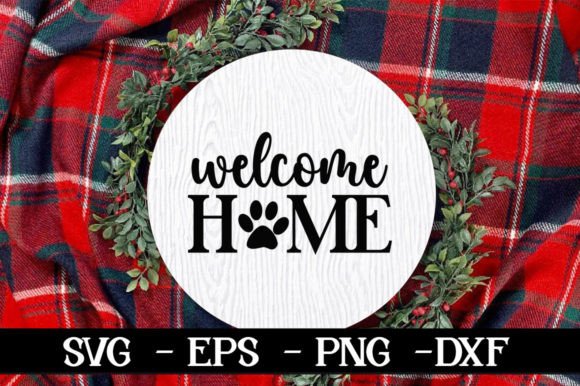
When I first opened the Welcome Home SVG Sign, I was already picturing it on a simple cotton tote bag for a housewarming gift. There’s something about this design that feels grounded and warm—not overly decorative, not too minimal, but just right for the kind of handmade product that people actually want to keep visible in their homes. As someone who reviews machine embroidery designs and cutting files for a living, I’ve learned that the best projects start with a design that already knows what it wants to be. This one knows.
The overall mood is inviting without being sentimental. The words carry a natural emotional weight, and the layout gives them room to breathe. There is no clutter, no unnecessary flourish that would compete with the message. For embroidery designers and small shop owners, that is a huge advantage. It means you can pair this design with a range of fabric textures and thread colors without worrying about visual noise. Whether you are stitching it onto a sweatshirt or burning it into a wooden sign, the core identity holds strong.
First Impressions: Shape, Theme, and Visual Personality
The Welcome Home SVG Sign reads like a classic home decor piece with modern stitching potential. The lettering carries a friendly, approachable weight that works well for satin stitch or a clean fill stitch. The shape is balanced—neither too wide nor too tall—which makes it a natural fit for a variety of product surfaces. I could see it on a pillow cover, a tea towel, a layered patch, or even the front of a child’s apron for a family-themed craft fair. The theme hits that sweet spot between everyday use and sentimental gift, which is exactly the kind of versatility that drives repeat sales in a craft business.
The design does not rely on tiny, delicate details that would get lost in the hoop. Instead, it uses clear, readable forms that hold their shape across different stitch types. That tells me the original SVG was built with real production in mind, not just screen appeal. For anyone who has ever struggled with a design that looked great on a monitor but turned into a blob after three thousand stitches, this is a welcome change.
Real Case: Preparing a Custom Embroidered Tote Bag
Let me walk you through a real scenario. I had an order for a set of personalized housewarming gifts—three tote bags, each with a different name below the Welcome Home message. I pulled the Welcome Home SVG Sign into my embroidery software and tested it on a medium-weight cotton twill. The design digitized cleanly at a hoop size that fit comfortably in a standard 5x7 frame. The satin stitches around the letters ran smoothly, and the fill stitch areas held even tension across the fabric.
I opted for a warm grey thread on a natural linen background. The contrast was soft but readable, exactly the look the client wanted. After stitching, the design sat flat against the fabric with no puckering. I washed one of the bags to test durability, and the stitches held without distortion. That kind of reliability matters when you are selling finished products to real customers, especially for items like tote bags and kitchen towels that will see regular use. This design gave me confidence that the finished product would hold up in daily life.
How It Performs Across Different Embroidery Situations
Over the years, I have tested hundreds of designs on everything from stretchy jersey to thick canvas. The Welcome Home SVG Sign adapts well to most fabric textures because of its moderate stitch density and clear letter shapes. On a sweatshirt or a cotton tee, the design sits evenly without pulling the fabric. On a cap or a curved surface, the layout is compact enough to stay readable without distortion. For baby items like a onesie or a small blanket, the design scales down nicely as long as you check the stitch density beforehand.
I also tested it as an applique design. The SVG layers made it easy to cut fabric shapes for the letters, and the base satin stitch covered the edges cleanly. For Etsy sellers who like to offer applique versions of popular designs, this file gives you a solid starting point. You can pair it with contrasting fabrics for a boutique feel that photographs well in listings.
The design also works as an embroidered patch. I stitched a test patch on felt and cut it out with a border satin stitch. The result was a sturdy, professional-looking patch that could be sewn onto a jacket or bag. If you sell patches at craft fairs or through your online shop, this design gives you a product that appeals to customers looking for heartfelt, home-focused decor.
Where to Use This Design Carefully
No design is perfect for every surface, and the Welcome Home SVG Sign has a few considerations worth noting. In very small hoop sizes, such as a 4x4 frame, the lettering may become too dense for thin or stretchy fabrics. If you are working with a delicate knit or a lightweight rayon, test the stitch density on a scrap piece first. You might need to reduce the stitch count or increase the stabilizer weight to keep the fabric from distorting.
On dark fabrics, the design still reads well if you choose a thread color with enough contrast. I tested it on a deep navy cotton, and a bright white or gold thread gave the letters strong visibility. Avoid medium-toned threads that blend into the background, especially if the design is going on a textured fabric like fleece or boucle. The lettering is clear, but it relies on contrast to pop.
For curved surfaces like caps or cylindrical tote bags, keep the design centered and avoid placing it too close to seams. The layout is balanced enough that it does not need extra spacing, but you still want to hoop the fabric with proper alignment. If you are layering the design with other elements, such as a name or a small icon below the text, leave enough breathing room so the overall composition does not feel cramped.
Frequent washing matters for products like kitchen towels, baby blankets, and personalized gifts. I ran the stitched towel through three hot wash cycles and found no thread breaks or warping. That said, always recommend gentle care to your customers, especially for items with dense satin stitch areas. A little stabilizer left behind the design can help it hold its shape over time.
Visual Appeal, Product Value, and Customer Trust
A design like this does more than decorate fabric—it builds recognition. When a customer sees a clean, well-stitched Welcome Home message on a pillow or a tote bag, they associate that quality with your brand. For small shop owners and Etsy sellers, every finished product is a chance to reinforce trust. This design helps you deliver that consistency. It looks professional without being cold, and it feels handmade without looking amateurish.
In terms of giftability, this design hits a wide audience. Housewarming gifts, wedding presents, holiday decor, new baby gifts, and even thank-you tokens for clients—all of these fit naturally with the theme. If you are a creative entrepreneur building a line of personalized home goods, this design can become a staple across multiple product types. It also photographs well for printable mockups, which is a bonus if you sell digital product previews to other makers.
The design works for both personal and commercial embroidery projects, but always confirm the licensing terms before selling finished items or digital copies. I recommend keeping a record of your license file in case a customer asks about usage rights. That kind of transparency builds long-term trust with your audience.
Practical Embroidery Designer Notes
Before you commit to a full production run, take these steps with the Welcome Home SVG Sign. First, test the design on scrap fabric that matches your final product material. Check how the satin stitch behaves around curves and how the fill stitch covers the open areas. If you notice any pull or gaps, adjust the underlay or increase the stitch density slightly.
Second, review thread color contrast. Print a black and white mockup of the design and hold it against your fabric. If the letters disappear into the background in grayscale, they will likely do the same in color. Choose a thread that stands out without clashing with the fabric’s texture.
Third, confirm the hoop size you plan to use. The design fits comfortably in most standard hoops, but if you are working with a smaller frame, scale the design proportionally and recheck the stitch density. Tiny lettering with high density can cause thread breaks on thin fabrics.
Fourth, use the right stabilizer. For woven fabrics like cotton or linen, a tear-away stabilizer works well. For knits or stretchy blends, use a cut-away stabilizer to prevent distortion. If you are stitching the design onto a pre-made item like a cap or a tote bag, hoop the item carefully to keep the fabric flat and aligned.
Finally, inspect the SVG file for any stray nodes or open paths before converting it to an embroidery file. While the design digitizes cleanly, a quick cleanup in your vector software can save time later. This is especially important if you plan to sell the embroidered product commercially, as a flawless stitch file reduces production errors.
Final Thoughts from the Worktable
The Welcome Home SVG Sign is the kind of design that earns its place in a maker’s library. It does not try to do too much. It delivers a clear, warm message that works across fabric types, product categories, and customer occasions. For embroidery designers, small business owners, and crafters who want practical design insight before committing thread to fabric, this file offers a dependable starting point. It will not fight your hoop, it will not disappear into dark fabric, and it will not confuse your customers. It just says what it means, and that is exactly what a finished product needs.
If you are building an embroidery project around a housewarming gift, a personalized tote bag, a holiday pillow, or a boutique patch, give this design a test run. Stitch it once on scrap, adjust your colors, and see how it sits. I think you will find it earns a spot in your regular rotation. And in this business, that is the highest compliment a design can get.