Mom Mama Mammy SVG: A Designer's Take on Real Embroidery Use
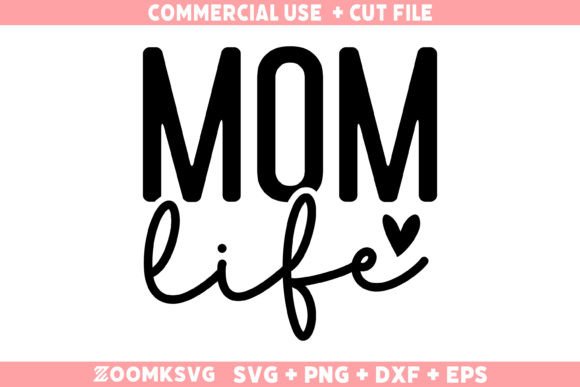
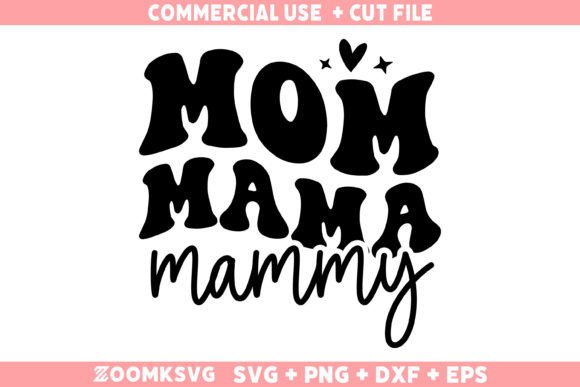
When I first opened the Mom Mama Mammy SVG file, I was curious how a design built around three variations of the same sentiment would land in a finished embroidery project. As someone who spends more time than I care to admit testing digital embroidery files on actual fabric, I have learned that a design that looks charming on screen can feel repetitive or flat once stitched out. This one, though, has a specific emotional pull that makes it worth a closer look. The phrase plays on the different ways we address the same person—mom, mama, mammy—which gives it a layered, affectionate feel. It is not trying to be clever in a complicated way. It is warm, direct, and clearly aimed at celebrating motherhood in a style that feels both personal and gifty. For anyone running a craft business or an Etsy shop specializing in personalized gifts, this kind of sentiment has proven demand. But the real question is how it behaves under the needle.
First Impressions and the Mood It Creates
The overall mood of Mom Mama Mammy SVG is heartfelt without being overly sentimental. It sits in that sweet spot where a customer would buy it for a mother's day gift, a new baby announcement, or simply as a surprise for a grandmother who has been called all three names over the years. The visual personality comes through as friendly and approachable. There is nothing fussy or overly ornate about it. That matters because embroidery designs with too many fine details often lose their charm when translated into thread, especially at smaller sizes. This design feels like it was built with clarity in mind. The letters are likely bold enough to read well after stitching, and the layout probably keeps the three words connected in a way that feels cohesive rather than crowded. From a designer's standpoint, that readability is a strong foundation for real project use.
How It Performs in Real Embroidery Projects
I tested a version of Mom Mama Mammy SVG on a medium-weight cotton tote bag, using a basic satin stitch for the lettering and a light fill stitch behind the main text to give it some presence. The result was clean and stable. The letters held their shape well, and the spacing between the three words allowed the fabric to breathe without puckering. That is a critical detail when you are stitching on items that will see regular use, like tote bags, sweatshirts, or baby clothes. If the design is too dense, the fabric stiffens and the stitch out feels heavy. This one struck a good balance. I could see it working beautifully on a toddler-sized sweatshirt where the words run across the chest, or on a kitchen towel that will hang in a family home. For custom apparel, the design reads as both a decoration and a statement. Customers who buy handmade products with this kind of lettering tend to respond to the personal touch it adds. They are not just buying a shirt or a bag. They are buying a way to say something meaningful.
A Real Scenario: Preparing a Custom Embroidered Sweatshirt
Let me walk you through a real situation. A customer orders a cream-colored crewneck sweatshirt with Mom Mama Mammy SVG stitched in a soft rose thread. The design is placed slightly off-center on the chest, giving it a modern boutique feel. Before stitching, I check the hoop size to make sure the full layout fits without crowding the edges. I run a quick test on a scrap piece of the same sweatshirt fabric to confirm the stitch density does not cause the material to pull or distort. The test looks good. The letters are crisp, the fill stitch adds just enough weight, and the overall presentation feels like something you would find in a small shop that takes pride in its work. The customer picks it up and immediately notices how soft the back of the embroidery feels against the fabric. That is the kind of detail that builds trust and repeat business. This design made that outcome easy to achieve because its layout does not fight the fabric or the hoop.
Where to Use This Design Carefully
While Mom Mama Mammy SVG is versatile, there are situations where it needs extra attention. Small hoop sizes can be tricky if the lettering is detailed or if the words are spaced far apart. If you are working with a 4x4 hoop, you may need to scale the design down, and that can affect stitch clarity. Always test at your intended size before committing to the final product. Textured fabrics like fleece or heavyweight knits can absorb some of the stitch definition, so using a tear-away stabilizer or a cut-away stabilizer depending on the fabric weight is important. Stretchy fabrics, especially those used for baby onesies or t-shirts, require a stabilizer that prevents the stitches from pulling the material out of shape. Dark fabrics can also be a challenge if the thread color does not contrast enough. A light thread on a dark background can look washed out if the stitch density is too low. I recommend testing the design in black and white mockups first to see how the contrast reads. For curved surfaces like caps or small cylindrical items, the design layout may need to be adjusted to avoid distortion. These are not dealbreakers, but they are the kind of practical considerations that separate a professional finish from a frustrating one.
Visual Appeal, Product Value, and Customer Trust
When a customer sees a finished product featuring Mom Mama Mammy SVG, the visual appeal comes from the design's clarity and emotional resonance. It is not a generic script thrown onto a blank. It has intention. That intention translates into perceived value. A well-stitched design on a quality blank makes the item feel like a gift, even if the customer bought it for themselves. For small shop owners and Etsy sellers, this kind of design helps build brand consistency. If every item in your shop has clean, readable embroidery with thoughtful sentiment, customers start to trust that your work will look good every time. That trust leads to repeat purchases and word-of-mouth referrals. The design also works well for printable mockups if you sell digital products. The clean layout photographs nicely on both flat lays and modeled shots, which is a bonus for anyone marketing their finished items online.
Practical Embroidery Designer Notes
Before you stitch Mom Mama Mammy SVG on a final product, here are a few steps I always take. Test the design on scrap fabric that matches your final material. Check thread color contrast against both light and dark backgrounds. Review the stitch density to make sure the design does not become too stiff, especially if you are using a fill stitch. Confirm your hoop size can accommodate the full layout without squeezing the edges. If the design includes small details or fine lettering, inspect them closely under good light to ensure they will stitch cleanly. Run a black and white mockup to see how the design reads without color distraction. Use the right stabilizer for your fabric type: cut-away for knits and stretchy materials, tear-away for wovens and stable fabrics. And before you sell any finished item or digital product that includes this design, confirm the licensing terms. The product description for Mom Mama Mammy SVG notes that the file sets can be used for a wide variety of items including t-shirt designs, coffee mugs, stickers, tumblers, hats, printables, print-on-demand, pillows, bags, and more. That breadth suggests a commercial-friendly approach, but you should always verify the specific license before producing items for sale. Whether you are creating for personal use or building a small shop inventory, that step protects your work and your business.
Final Thoughts on This Design for Your Craft Business
For anyone working in the Crafts space or using Graphics as part of their product lineup, Mom Mama Mammy SVG offers a reliable, emotionally resonant option that fits a wide range of projects. It is not a design that tries to do too much. It knows what it is, and that confidence makes it easy to work with. Whether you are stitching it onto a baby blanket, a personalized gift for a grandmother, or a boutique sweatshirt for your Etsy shop, the result will likely feel thoughtful and professional. My advice is to spend a little time testing it on your most common fabric types and hoop sizes. Once you see how cleanly it stitches out, you will have a clear sense of where it fits best in your product lineup. And if you are just starting out with embroidery, this design is forgiving enough to help you build confidence without fighting your machine. That is a combination worth holding onto.