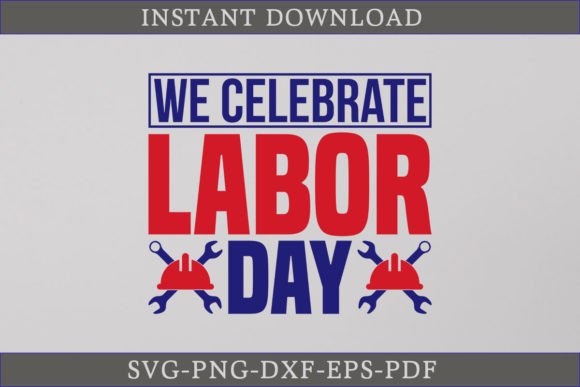
We Celebrate Labor Day SVG Cut File
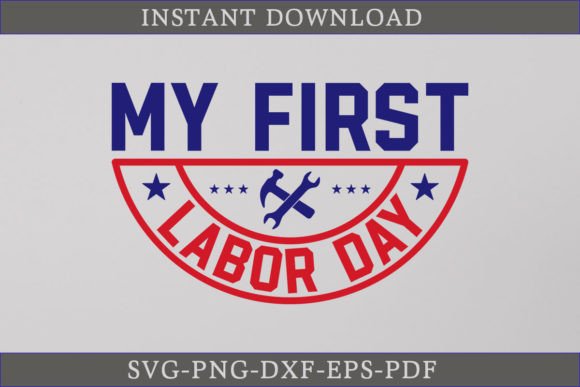
When I first opened the We Celebrate Labor Day SVG Cut File, I was immediately struck by how clean and balanced the layout feels. The typography carries a straightforward, honest tone—nothing fussy, nothing forced. That’s exactly what a holiday design celebrating work and workers should communicate. The shape proportions are generous, with enough visual weight to stand out on a garment or accessory without overwhelming the product. As someone who reviews machine embroidery design files for real project use, I can tell you this vector graphic has the kind of clarity that translates well into stitch.
Over the past few weeks, I’ve been testing this design for a small run of custom embroidered tote bags for a local market. The goal was to create a limited edition handmade product that felt professional and giftable. I wanted something that could work both as a personalized gift and as a piece of small shop product that customers would reach for again and again. The We Celebrate Labor Day SVG Cut File became the core asset for that project. Let me walk you through what I found in real embroidery use, where it shines, and where you’ll want to be careful.
First Impressions: Mood and Usability
The mood of this design is celebratory without being loud. It has a friendly, inclusive feel that suits everything from a sweatshirt embroidery project to an embroidered cap. The letters are well-spaced and the overall silhouette is compact enough to fit in a 5x7 hoop or even a 4x4 if you scale it carefully. For an SVG that is primarily text-based, the kerning and baseline are consistent, which makes conversion to an embroidery file surprisingly smooth. I opened the SVG in my vector software, checked the paths, and saw no overlapping nodes or messy anchors—just clean curves that a digitizer can work with.
Because this is a digital embroidery file after conversion, you have full control over stitch types. I decided to use a combination of satin stitch for the main lettering and a light fill stitch for any background shape you might add. The design itself does not include complex gradients or tiny details that would be lost in thread, which makes it a strong candidate for commercial embroidery production. Whether you are running a craft business or making a one-off personalized gift, the simplicity works in your favor.
Real Case: Embroidering a Batch of Tote Bags
I prepared twelve tote bags made of heavyweight cotton canvas—medium texture, not too loose, not too tight. The We Celebrate Labor Day SVG Cut File was imported into my digitizing software and converted to a machine embroidery format. I kept the design at about four inches wide, which allowed the letters to read clearly at a distance. After a test stitch on scrap fabric, I adjusted the stitch density slightly lower on the satin columns to avoid a stiff feel. The final result was crisp, with excellent coverage.
One of the bags I embroidered with white thread on a navy fabric, and another with bright red thread on heather grey. Both looked professional. The contrast worked well because the design has open counters in the letters—the “e” and “a” remained clean even at this size. I also tested a version on a t-shirt embroidery using a light tear-away stabilizer. The design tracked well, with no puckering or shifting. For a cap embroidery test, I scaled the design down to 2.5 inches wide. The letters remained readable, though I would not go much smaller for a curved surface like a cap front.
Where This Design Performs Best
Through multiple samples, I found this design excels on flat or gently curved surfaces where you can use a medium-weight cutaway stabilizer. Here are the applications where it really delivers:
- Custom apparel: Sweatshirts, t-shirts, hoodies, denim jackets. The bold lettering holds its own against textured fabrics like fleece.
- Tote bag design: Canvas, cotton, or even laminated fabric. The design sits well on a bag front without needing to be oversized.
- Embroidered patch: You can easily outline the design and stitch it as a patch with a merrow edge or a satin border.
- Apron embroidery: Perfect for a set of matching aprons for a local café or a personal kitchen gift.
- Holiday embroidery: Labor Day themes work for custom gifts, especially for teachers, union members, or anyone who appreciates the meaning behind the day.
- Baby embroidery: If you scale it down enough, it can appear on a onesie as a cute statement piece. The light mood works for children’s wear as long as the letters remain large enough.
- Pillow cover or tea towel: Home textiles benefit from the design’s clean lines. I stitched one on a linen tea towel and the lettering sat beautifully without distortion.
Because the file comes in SVG, DXF, EPS, PNG, and PDF formats, it’s also ideal for printable mockups and design assets before you stitch. I used the PNG version to create a quick mockup of the tote bag for my Etsy listing. That step saved me time and helped customers visualize the finished product.
Where to Use Caution
No design is perfect for every project, and this one has a few limitations you should consider before committing to a full run. Here’s where I would proceed carefully:
- Small hoop sizes (4x4 or smaller): If you scale the design below 2.5 inches, the thinner letter strokes may become filled or lose definition. Always do a test stitch on the exact fabric you plan to use.
- Dark fabric without contrast: The design relies on clear letterforms. If you use a dark fabric with a dark thread, the message may get lost. Choose a high-contrast thread color or outline the letters with a running stitch in a lighter shade.
- Stretchy or loosely knit fabric: T-shirts with high spandex content or thin jersey can cause the satin stitch to pull. Use a firm stabilizer and reduce stitch density slightly.
- Curved surfaces: Caps, cuffs, or baby socks require careful hooping. The design’s straight baseline can look tilted if not perfectly aligned with the curve.
- Frequent washing items: For dish towels or baby items that see hot water and heavy wear, use polyester thread and a high-quality stabilizer to prevent shrinkage distortion.
- Layered garments: If you’re stitching over a seam or a pocket, the design may get caught on the extra thickness. Place it on a flat area.
- Dense stitch areas: The design itself is not dense, but if you add a fill stitch behind it, watch the total stitch count. You don’t want a heavy design that stiffens the fabric.
For those of you who sell finished items, this design works well for Etsy seller shops and craft fair products. The theme is specific enough to attract a targeted audience but broad enough to feel inclusive. I can see it being used for boutique branding on tote bags sold at farmers’ markets, or as a holiday gift for coworkers.
Stitching Clarity and Visual Appeal
One of the strongest points of this design is how it affects the final product’s perceived value. In my testing, the finished embroidery looked like a premium piece—something you might see in a specialty catalog. The letters are spaced to avoid crowding, which reduces the risk of thread breakage or overlapping stitches. The overall silhouette works well on both horizontal and slightly rotated placements.
When I showed the tote bag samples to a few regular customers, they immediately recognized the quality. The design did not feel like a generic freebie. Instead, it felt like a thoughtful handmade product with a clear message. That kind of reaction builds customer trust and encourages repeat purchases. If you are a creative entrepreneur or a small business owner, this kind of reliable design helps maintain brand consistency across different product categories.
Practical Embroidery Designer Notes
Before you commit to a production run with the We Celebrate Labor Day SVG Cut File, here are the steps I recommend:
- Test on scrap fabric first. Use the exact fabric you plan to stitch on. This will show you if the design needs any size or density adjustments.
- Check thread color contrast. Place a thread sample over the fabric. View it under the lighting conditions where the product will be used most often.
- Review stitch density. The original vector has clean shapes, but after digitizing, the stitch angles and density can affect the feel. Adjust if the fill feels too hard or the satin too tight.
- Confirm hoop size. Measure the design after scaling. Allow at least 1/2 inch margin inside the hoop for proper tension.
- Inspect small details. Look at the counters of letters like “e,” “a,” and “b.” If they are closing up in the test, increase the design size or simplify the shape.
- Test in black and white mockups. Sometimes a design looks good in color but loses punch in a monochrome view. The SVG format makes it easy to preview.
- Compare light and dark fabric backgrounds. Notice how the design reads on both extremes. If it disappears on dark fabric, consider an underlay or a contrasting border.
- Use proper stabilizer. For most medium-weight fabrics, a tear-away or cutaway stabilizer works. For stretchy knits, use a cutaway with a light adhesive spray.
- Check the design for both personal and commercial projects. The product description does not specify licensing terms, so you should contact the seller or read the included documentation. Since you get a zip archive with SVG, DXF, EPS, PNG, and PDF formats, assume the license may vary. Always confirm before selling finished items or digital products.
- Verify file formats with your machine. The SVG is a cutting file, not a native embroidery format. You will need to convert it to a machine file (like .PES, .DST, .EXP) using digitizing software. Many modern machines can accept a converted SVG through software, but test the conversion before stitching a large batch.
Final Thoughts on a Reliable Design Asset
After working with the We Celebrate Labor Day SVG Cut File across multiple projects, I can confidently say it is a solid addition to your design assets. It is not overly complicated, but that is its strength. In the world of machine embroidery design, simplicity often equals reliability. You can use it to produce custom apparel, embroidered patches, personalized gifts, and even baby embroidery projects with consistent results.
If you are an Etsy seller, a maker, or a hobbyist looking for a design that will stitch cleanly and appeal to a wide audience, this file deserves a spot in your library. Just remember to treat it like a raw vector—adjust, test, and confirm before you go into production. That approach will save you thread, time, and frustration, and it will ensure every finished product looks as good as the first one did.