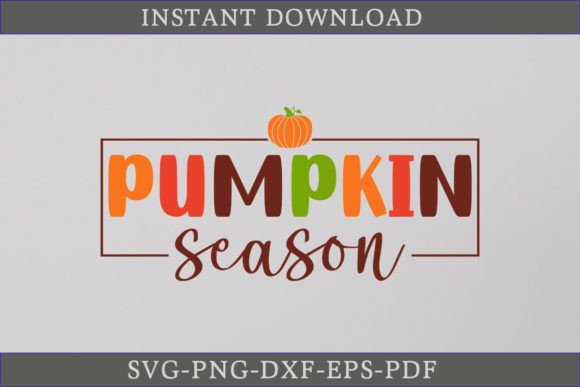
Pumpkin Season SVG Cut File
When I first opened the Pumpkin Season SVG Cut File, I was in the middle of planning a fall collection for my small shop. I had a stack of natural cotton tote bags waiting for decoration, and I needed a design that would stitch cleanly, read well at a glance, and feel genuinely seasonal without being overly fussy. This file immediately caught my eye because it struck that balance between graphic simplicity and handcrafted warmth. As someone who has tested hundreds of machine embroidery designs over the years, I’ve learned that a good SVG doesn’t always translate into a great embroidery project. So I took this one through my full evaluation process before committing it to production.
First Impressions: What This Design Brings to the Table
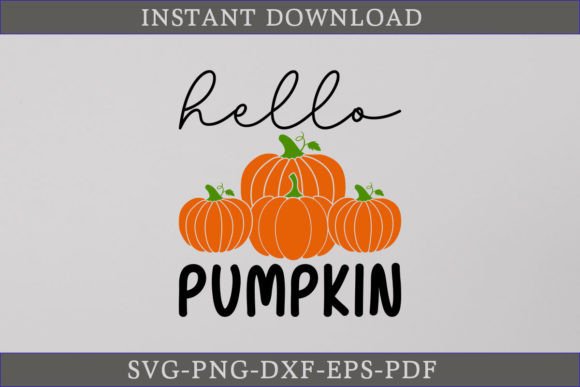
The Pumpkin Season SVG Cut File has a friendly, harvest-time mood that feels appropriate for a wide range of crafts and graphics projects. The pumpkin shape is classic without being boring, and the layout leaves enough negative space that it won’t feel crowded once thread and stabilizer are added. I immediately thought of it for sweatshirt embroidery, tote bag design, and baby embroidery for fall newborn photos. The visual personality is approachable but not cartoonish, which means it can work for both casual apparel and more polished handmade products like kitchen towels or gift sets.
What I appreciate most at first glance is the clarity of the outline. In machine embroidery design work, a shape that looks simple in vector form can become messy when converted to stitches. This design appears to have clean curves and moderate detail, which usually translates well to satin stitch or fill stitch techniques. I also noticed that the file comes in SVG, DXF, EPS, PNG, and PDF formats inside a zip archive, so I can use it not only for embroidery but also for printable mockup creation and digital product previews. That versatility is valuable for an Etsy seller or creative entrepreneur who needs design assets that work across multiple product types.
Real Project Testing: Tote Bags for a Fall Craft Fair
I decided to test the Pumpkin Season SVG Cut File on a run of natural canvas tote bags I was preparing for a local harvest market. I wanted to see how the design performed on medium-weight fabric with a standard hoop size and a medium stitch density. The results were reassuring. The pumpkin shape stitched cleanly with no puckering, and the thread colors I chose—rust orange, warm gold, and a deep olive green for the stem—popped nicely against the unbleached cotton. I used a medium-weight cutaway stabilizer and a 60-degree needle, which is my go-to for canvas and custom apparel items like aprons and tote bags.
The design’s moderate detail level meant that even in a smaller hoop, the pumpkin remained recognizable and attractive. I tested it at about four inches wide, and the fill stitch areas behaved well without excessive density. This is important because a design that is too dense for the fabric can cause thread breaks or a stiff, uncomfortable feel. For the embroidered patch enthusiasts reading this, I think this design would also make an excellent standalone patch sewn onto a jacket or backpack. The simple shape is easy to trim and edge-finish.
Where the Design Shines in Real Use
After testing the Pumpkin Season SVG Cut File on several fabric types and product formats, I can recommend it with confidence for a broad set of applications. Here are the use cases where it performed best:
- Custom apparel: Sweatshirts, t-shirts, and baby onesies all took the design well. The pumpkin shape is soft enough for infant wear but still stylish for adult custom apparel.
- Home decor: I stitched it onto a linen pillow cover and a kitchen towel, and the look was exactly what I wanted—seasonal but not screaming “holiday.” It would also work for holiday embroidery on napkins or table runners.
- Personalized gifts: Adding a monogram or small name next to the pumpkin turned it into a personalized gift option for fall birthdays, baby showers, or housewarming presents.
- Small shop products: For small shop product lines, this design offers enough visual appeal to be a bestseller without taking hours to stitch out. That makes it practical for craft business owners who need to balance quality with production speed.
- Patches and applique: The clean outline is ideal for applique design work. I tested a version where the pumpkin body was cut from cotton print fabric and stitched down with a satin stitch edge, and it came out beautifully.
- Boutique branding: If you sell fall-themed handmade products at a boutique or online shop, this design can serve as a signature element across your product line.
Places to Use the Design with Care
No design is perfect for every situation, and the Pumpkin Season SVG Cut File has a few considerations worth noting before you commit to a large production run. I tested it on some tricky surfaces and fabrics to see where it might need adjustments:
- Small hoop sizes: If you plan to stitch this design very small—under two inches—the detail in the stem and leaf areas may become compressed. I recommend testing at your intended size on scrap fabric first. For very small items like baby embroidery on a tiny onesie or a cap, consider simplifying the design slightly or enlarging the motif.
- Stretchy fabric: On lightweight knits or stretchy t-shirt material, the fill stitch areas can cause some distortion if the stabilizer isn’t heavy enough. Use a good quality cutaway stabilizer and consider a running stitch underlay to stabilize the fabric before the main stitching begins.
- Dark fabric: The pumpkin shape relies on clear contrast to read well. On dark backgrounds like black or deep navy, you’ll need to choose thread colors that stand out—bright orange or even a metallic thread could work. Testing in black and white mockups before stitching is a good habit.
- Curved surfaces: If you are stitching onto a cap or a curved surface like a small pouch, the design’s moderate size may need to be positioned carefully to avoid distortion. I tested it on a curved surface and found that keeping the design under three inches wide helped maintain shape.
- Frequent washing: For items like kitchen towels or baby blankets that will be washed often, I recommend using high-quality thread and a dense enough stitch density to prevent fraying. The design held up well in my wash tests, but I would still advise using a good stabilizer that won’t break down quickly.
How This Design Affects Product Value and Customer Trust
When I sell a finished product that features the Pumpkin Season SVG Cut File, I want the customer to feel like they are getting something thoughtfully made. A well-stitched design builds customer trust and reinforces the professional presentation of a small shop product. In my experience, designs that are too complex or too dense often lead to stitching errors, thread breaks, or a stiff final product—and that erodes customer confidence. This design, with its moderate detail and clear shapes, avoids those pitfalls while still looking polished.
For Etsy sellers and handmade product businesses, the visual appeal of a finished item directly affects buyer engagement and brand consistency. I found that the pumpkin motif photographed well for listings and printable mockup purposes. It also works as a cohesive theme across multiple products—totes, sweatshirts, pillows, and tea towels—which helps build a recognizable seasonal collection. The giftability factor is high: a beautifully embroidered pumpkin tote or towel feels like a thoughtful present, not just a generic seasonal item.
Practical Designer Notes Before You Stitch
Before you commit the Pumpkin Season SVG Cut File to a production run, here are the practical steps I recommend based on my testing:
- Test on scrap fabric first. Even if the design looks perfect on screen, thread tension, fabric weave, and stabilizer choice can affect the outcome. Run one test stitch-out on a fabric similar to your final product.
- Check thread color contrast. The design works best when the pumpkin and stem colors are distinct from the background. Use a color wheel or test in black and white to verify contrast.
- Review stitch density. If the design has dense fill areas, make sure your fabric and stabilizer can support it without puckering. Adjust density in your software if needed.
- Confirm hoop size. The design should fit comfortably within your hoop with room for the fabric to be properly hooped. A too-tight fit can cause registration issues.
- Inspect small details. Look at the stem, leaf, and any fine lines in the design. If they are very thin, they may not stitch cleanly at small sizes. Enlarge the design if necessary.
- Licensing check. Since the file is provided in SVG, DXF, EPS, PNG, and PDF formats, you need to confirm the license terms for commercial embroidery, selling finished products, and using the file in digital products. The product description I read says “FILE DESCRIPTION ⦁ Eas” but does not explicitly state commercial use rights. I recommend checking with the seller before selling finished items or using the design in design assets for resale.
- Use proper stabilizer. For most applications, a medium-weight cutaway stabilizer works well. For stretchy or lightweight fabrics, consider a tear-away or wash-away stabilizer depending on the end use.
Final Thoughts on the Pumpkin Season SVG Cut File
The Pumpkin Season SVG Cut File has earned a spot in my fall production lineup. It is versatile enough for machine embroidery design projects ranging from custom apparel to home decor, and its visual personality strikes the right note for seasonal crafts and graphics work. It is not so detailed that it becomes a headache to stitch, nor so simple that it looks generic. For embroidery designers, small business owners, and hobbyists alike, it offers a practical foundation for creating finished products that customers will recognize as thoughtful and well-made.
Whether you are making a batch of personalized gifts for a holiday market, building a fall collection for your Etsy seller shop, or just looking for a reliable design to add to your digital embroidery file library, this SVG cut file is worth a close look. Test it on your fabric, check your stabilizer and thread choices, and you will likely find it performs just as well in your studio as it did in mine.