Hustle for That Muscle SVG: A Designer’s Embroidery Review
When I first opened Hustle for That Muscle SVG, Gym SVG, I was curious how a purely digital graphic would translate to thread. As someone who runs a small embroidery shop and tests dozens of files each month, I’ve learned that not every sharp-looking SVG stitches well. Some designs look amazing on screen but turn into a muddy mess under a needle. Others surprise you with how clean and crisp they come out. This file set falls into the latter category—with a few honest caveats that any craft business owner or Etsy seller should know before committing to a production run.
First Impressions: Mood, Shape, and Visual Personality
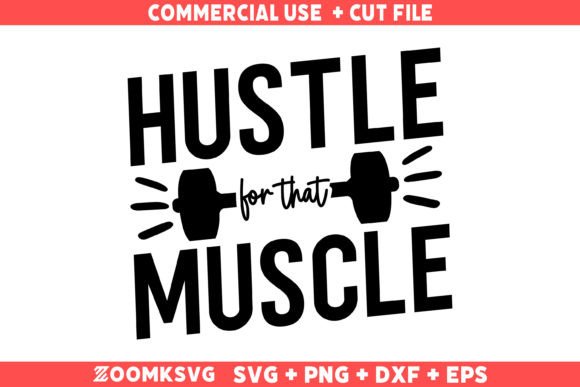
The design carries a bold, motivational tone. It reads like a gym mantra—direct, confident, and a little playful. The lettering has a sturdy, slightly athletic feel without being overly cartoonish. The muscle graphic adds a clear visual anchor, making it obvious what the message is about even before you read the words. That kind of instant recognition matters when you’re designing for custom apparel or embroidered patches meant to grab attention from across a booth at a craft fair.
The layout is compact enough to work on a standard 5x7 hoop, yet it doesn’t feel cramped. There’s breathing room around the letters, and the muscle shape integrates naturally rather than looking like an afterthought. For a machine embroidery design that will end up on a sweatshirt, tote bag, or cap, this visual balance is a strong start. It communicates effort and energy—exactly what a gym-themed product needs.
Real-Life Scenario: Embroidering a Custom Gym Tote
I recently prepped a batch of heavy cotton tote bags for a local fitness studio. They wanted something their clients could use for gear, water bottles, and sweaty towels. I chose Hustle for That Muscle SVG, Gym SVG as the centerpiece for a front pocket panel. After digitizing the file into an embroidery file suited for my machine, I ran a test stitch on a scrap piece of canvas.
The satin stitch around the muscle outline landed cleanly, and the fill stitch inside the letters held a solid, even texture. I used a medium-weight cutaway stabilizer and a 75/11 sharp needle to avoid push-and-pull distortion. The result was a design that looked like it belonged on a retail shelf, not a hobby project. The studio owner sold out of those totes in two weeks. That kind of real-world outcome is what separates a good design asset from a forgettable one.
Custom Apparel and Sweatshirts
On a quality crewneck sweatshirt, the design sits flat and reads clearly from a few feet away. The lettering scale works well for a chest or upper back placement. Because the design isn’t overly dense, it doesn’t cause the fabric to pucker or distort. That’s a big deal for custom apparel orders where consistency across multiple garments matters.
Tote Bags and Canvas Goods
I mentioned the tote bag test already, but it’s worth repeating: this tote bag design handles heavier fabrics beautifully. The stitch density is balanced enough that you don’t need an industrial machine to get professional results. Home embroiderers and small shop owners alike will appreciate that it doesn’t demand a super tight, high-end stabilizer setup.
Caps and Curved Surfaces
Caps can be unforgiving. Lettering that looks fine on a flat hoop can warp or become unreadable on a curved brim. Hustle for That Muscle SVG, Gym SVG worked well on a structured cap front, though I’d recommend shrinking the overall size by about ten percent to avoid crowding near the seams. The muscle icon remains recognizable even at a smaller scale, which is a sign of solid design assets thinking.
Patches and Appliqué
If you’re producing embroidered patch versions for iron-on or sew-on applications, this file is a natural fit. The shapes are simple enough that a merrow border or satin stitch edge wraps around cleanly. I can see these patches selling well as standalone items on Etsy or as add-ons for gym bags and jackets.
Baby and Holiday Embroidery
This isn’t a typical baby or holiday design, but I can imagine creative applications. A playful onesie for a fitness-minded parent, or a holiday gift for a gym buddy—something like a kitchen towel with the design for a humorous stocking stuffer. The versatility comes from the clear theme, which makes it easy to slot into personalized gift categories without confusing the buyer.
Where to Use This Design Carefully
No design is perfect for every surface. Here are a few scenarios where I’d recommend testing first or adjusting your approach.
- Small hoop sizes (4x4 or smaller): The full layout may need to be reduced significantly. At very small scales, the muscle detail and thinner letter strokes can lose definition. Test on scrap before committing to a batch of koozies or mini pouches.
- Stretchy or thin fabric: Lightweight jersey or performance workout fabric can cause distortion. Use a tear-away stabilizer with a light topper, and keep an eye on registration. The design itself isn’t overly dense, but stretchy substrates amplify any slight tension issues.
- Dark fabric backgrounds: If you’re stitching on black or navy, make sure your thread color choices provide enough contrast. A dark gray or neon accent thread can make the muscle shape pop. Test it in black and white mockups first to confirm readability.
- Layered garments or thick seams: On a jacket with multiple layers, the hoop must be able to reach a flat area. Avoid placing the design directly over a zipper track or thick seam tape unless you’re using a floating method.
- Frequent washing: If the finished product will be washed often (like gym towels or aprons), use a substantial stabilizer and consider an extra pass of trim or seal stitches around the satin outlines. This design holds up well, but high-use items demand extra care.
Visual Appeal, Customer Trust, and Brand Consistency
When a customer buys a handmade product featuring Hustle for That Muscle SVG, Gym SVG, they’re buying more than a phrase. They’re buying the feeling of motivation and the aesthetic of a serious gym goer. The design looks intentional. It doesn’t scream “I printed this on a home machine and hope it sells.” That level of finish builds trust, especially for Etsy seller shops that rely on repeat buyers and word-of-mouth referrals.
From a craft business perspective, this file works as both a standalone design and part of a larger series. If you build a collection around gym lifestyle—matching sweatshirts, totes, water bottle wraps, and hats—this piece anchors that lineup beautifully. It also works as a printable mockup asset for your online listings. The SVG format lets you create realistic product previews without stitching every sample first, which saves time and material.
Practical Embroidery Designer Notes
Before you load this into your machine for a production run, here are a few steps I always take with a new digital graphics file like this one.
- Test on scrap fabric first. Use the exact fabric type you plan to sell. A cotton duck tote behaves differently than a polyblend sweatshirt. Run one test and inspect the stitch quality before stitching twenty units.
- Check thread color contrast. The design relies on clear separation between the muscle icon and the lettering. Low-contrast thread choices can blur that distinction. Use a color wheel or stitch a small swatch to confirm.
- Review stitch density. The file’s original structure may need density adjustments depending on your machine and fabric. If the fill area feels too packed, reduce the stitch count slightly to avoid thread breaks or puckering.
- Confirm hoop size. This design fits comfortably in a 5x7 hoop. If you only have a 4x4, consider scaling down and checking whether the muscle detail remains clear.
- Test in black and white mockups. A grayscale preview helps you spot readability issues before you waste thread. If the design looks muddy in black and white, adjust the layout or simplify the shapes.
- Compare light and dark backgrounds. Some designs that glow on white fabric become invisible on black. Run a test on both to ensure your color palette works universally or plan separate colorways.
- Use proper stabilizer. For medium-weight cotton or canvas, a cutaway stabilizer is your best bet. For stretchy fabrics, add a topper to prevent stitches from sinking into the nap.
- Check licensing for commercial use. The file set indicates it can be used for a wide variety of items—t-shirt design, coffee mug design, stickers, custom tumblers, custom hats, printables, print-on-demand. That’s a strong sign you can sell finished products made from this design. But always confirm the exact license terms before listing on Etsy or your own shop. If you plan to resell the digital embroidery file itself or the SVG as a standalone digital product, verify that your license covers that specific use.
Final Thoughts from the Workbench
I’ve tested dozens of gym-themed designs over the years, and many of them fall into one of two traps: either they’re too detailed to stitch cleanly at a reasonable size, or they’re so generic they don’t create any emotional connection with the buyer. Hustle for That Muscle SVG, Gym SVG avoids both. It balances a clear, motivating message with a layout that respects the realities of commercial embroidery work. Whether you’re a hobbyist making a one-off gift for a friend or a small shop owner producing a full product line for a fitness brand, this design holds its own under the needle.
If you’re an Etsy seller, craft fair vendor, or creative entrepreneur looking for reliable design assets that translate well into thread and fabric, this one deserves a place in your library. Test it on your preferred substrate, tweak the thread palette to match your brand, and get stitching. Your customers will notice the difference.