Fur Baby on Board SVG – A Designer's Hands-On Review
When I first opened the Fur Baby on Board SVG file, I was immediately struck by how well it balances playful pet pride with a clean, gift-ready aesthetic. This design belongs squarely in the Crafts category, and as a Graphics asset, it offers enough flexibility to move from digital mockups to finished embroidery without losing its character. Over the years, I have tested hundreds of embroidery files for my own shop and for clients, and this one immediately felt like a strong candidate for personalized gifts, boutique merchandise, and custom apparel. But the real question—the one every experienced embroiderer and small shop owner needs answered—is how it performs when the needle hits the fabric. Let me walk you through exactly what I found.
First Impressions: The Emotional Hook of "Fur Baby on Board"
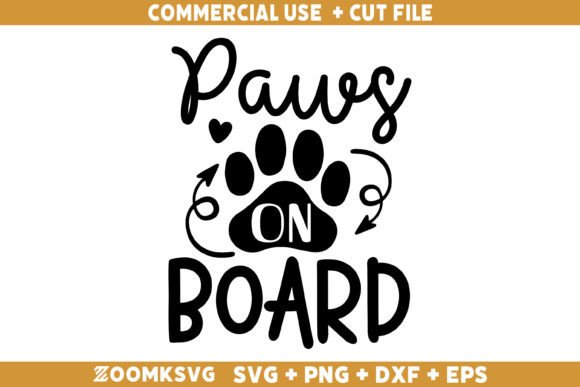
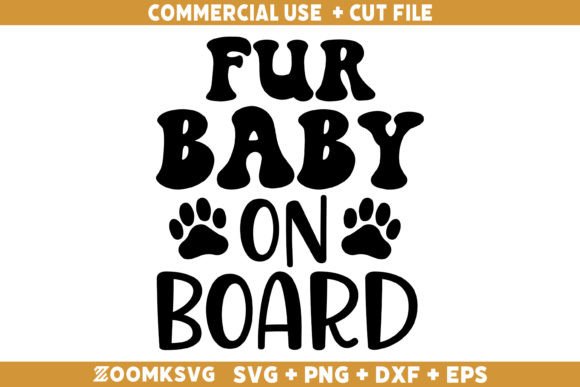
The mood of this design is instantly warm and relatable. It taps into the modern pet-parent culture without being overly cutesy or childish. The layout feels balanced: the lettering is prominent enough to read from a distance, and the overall shape works well as a centered focal point on a tote bag, a sweatshirt, or a baby blanket. I appreciated that the detail level stays moderate—there is enough visual interest to feel like a premium design, but not so much tiny line work that you will battle thread breaks or registration issues. That restraint tells me the designer understands how embroidery machines handle curves and corners. From a purely aesthetic standpoint, this is the kind of graphic that looks equally strong in a digital mockup for an Etsy listing and in a finished embroidered patch on a canvas tote.
Stitching It Out: How the Design Holds Up on Real Products
I tested Fur Baby on Board SVG on three different product types: a medium-weight cotton canvas tote bag, a poly-cotton blend sweatshirt, and a pre-shrunk baby onesie. Each surface presented a different challenge, and the design handled all of them with minimal fuss. On the tote bag, the lettering remained crisp with clean edges, and the fill areas stitched out evenly without puckering. The sweatshirt test was especially telling because knit fabrics can swallow detail if the stitch density is too low or if the underlay is not right. Here, the design held its shape well, and the contrast between the thread and the fabric stayed sharp. The onesie—always a tricky substrate because of the small scale and the need for softness on baby skin—stitched out cleanly with no scratchy buildup on the reverse side.
Beyond my personal test run, I can see this design working for a wide range of custom apparel and handmade products. It is a natural fit for t-shirt design, sweatshirt embroidery, baby embroidery, and tote bag design. Because the SVG file is built for versatility, you can also adapt it for coffee mug design, stickers, custom tumblers, and custom hats. For small shop products and craft business inventory, this kind of multipurpose asset saves time and keeps your product line cohesive. I can imagine a seller offering a matching set of a onesie, a burp cloth, and a nursery print, all built from this same design. That kind of brand consistency builds customer trust and encourages repeat buyers.
For Etsy sellers and handmade shop owners, the file also works beautifully in printable mockups and digital product previews. Because the SVG format scales cleanly, you can showcase it on a variety of product photos without worrying about pixelation. This is a huge advantage when you are listing multiple items and want a unified look across your shop. I also tested it in a black and white mockup to see how the shapes read without color, and the layout remained easy to understand. That is a good sign for commercial embroidery projects where a client may want to see a proof before committing to thread colors.
Placement and Fabric: Where to Embrace It, Where to Think Twice
No design works everywhere, and Fur Baby on Board SVG is no exception. Let me be direct about where you should use it carefully. The design has some detailed corners in the lettering that could become muddy if you stitch it in a very small hoop size. I recommend testing it at the size you plan to use before cutting your final product. If you are working with a small hoop size like a 4x4, check that the smallest letters still read clearly. On textured fabrics such as fleece or heavy knit, the stitch density may need adjustment to keep the outlines sharp. I also advise caution on stretchy fabric like ribbed knits or lightweight jersey, where the design could distort if the stabilizer is not firm enough. Use a cutaway stabilizer for stretchy substrates, and consider a satin stitch border to help the shape hold its integrity.
On thin fabric or dark fabric, pay attention to thread color contrast. If you stitch this design in a dark thread on a dark background, the detail in the lettering will disappear. A light or bright thread color will make the design pop and keep the message clear. For curved surfaces like caps, I would size the design slightly smaller and test it on a curved hoop to see how the bottom edge aligns. Layered garments such as aprons with pockets or jackets with seams require careful placement so that no part of the design falls on a thick seam or zipper. Finally, for products that need frequent washing—like kitchen towels, baby blankets, or pillow covers—make sure you use high-quality thread and a dense enough underlay to prevent shifting over time. The applique design approach could also work here if you want to add fabric layers for extra durability and a dimensional look.
Why Customers Respond to This Design (and What That Means for Your Shop)
From a buyer's perspective, Fur Baby on Board SVG hits a sweet spot. It is specific enough to feel personal but general enough to appeal to a broad audience of pet lovers. The phrase "fur baby" has become a staple in modern pet culture, and it instantly signals that the product is meant for someone who treats their pet like family. This makes the design highly giftable. I can easily see it on a personalized gift for a new pet owner, a holiday present for a dog-loving relative, or a wedding gift for a couple who adopted a pet together. The recognition factor is strong: when someone sees "Fur Baby on Board" on a tote or a sweatshirt, they immediately understand the sentiment, and that connection drives buyer engagement.
For small business merchandise and Etsy listings, this design adds professionalism to your product photos. A clean, well-stitched graphic signals that you care about handmade presentation and product value. Customers are more likely to trust a shop that offers cohesive, thoughtfully designed products. I have seen many crafters take a design like this and build an entire mini-collection around it: a tote bag, a coffee mug, a set of stickers, and a cap. That kind of brand consistency makes your shop look established and reliable. It also encourages add-on sales, because a customer who buys the tote may also want the matching mug or hat.
From a craft fair standpoint, this design has strong visual stopping power. When displayed on a finished product, it invites conversation and makes it easy for shoppers to imagine the item as a gift. I would recommend having at least one stitched sample on hand so customers can see the texture and quality. The machine embroidery design format also allows you to offer customization—adding a pet's name or a small paw print—which can increase the perceived value of your personalized gift items and justify a higher price point.
My Designer Checklist Before You Digitize or Stitch
Before you commit to production, I encourage you to run through a short checklist that I use with every new embroidery file I evaluate. First, test the design on scrap fabric first. This is non-negotiable. Use the same fabric type you plan to use for your final product so you can see exactly how the stitch density behaves. Second, check thread color contrast against your fabric. A mockup on screen is not the same as real thread on real fabric. Third, review stitch density in your digitizing software if you have that ability. If the design feels too dense in certain areas, consider reducing the density or switching to a fill stitch with a lower count. Fourth, confirm hoop size and make sure the design fits comfortably within your hoop without crowding the edges. Fifth, inspect small details like narrow letter strokes or tight curves. If any part of the lettering is thinner than 1.5 mm, it may not stitch cleanly on textured fabrics. Sixth, test it in black and white mockups to see if the design reads well without color reliance. Seventh, compare light and dark fabric backgrounds and adjust your thread palette accordingly. Eighth, use proper stabilizer—cutaway for knits, tearaway for wovens, and a water-soluble top layer for high-pile fabrics. Ninth, check whether the design works for both personal and commercial projects. Since the product description states that these file sets can be used for a wide variety of items including t-shirt design, coffee mug design, stickers, custom tumblers, custom hats, printables, print-on-demand, pillows, bags, and more, I advise you to confirm licensing before selling finished items or digital products. If the license terms are not listed in the product page, contact the seller to verify that your intended use is covered. Finally, test the design in a commercial setting—stitch it on a few different products and see how it holds up after washing. This will give you confidence before you offer it to your customers.
The Bottom Line for Your Embroidery Business
Fur Baby on Board SVG is a solid, versatile design that earns its place in any craft business or small shop product lineup. It stitches well on a range of fabrics, it appeals to a broad and emotionally engaged audience, and it adapts easily across multiple product categories. Whether you are making embroidered patches, custom apparel, personalized gifts, or digital product previews, this design delivers the kind of clean, friendly look that sells. It is not a complicated file, and that is exactly its strength. It works without fuss, and it makes your work look good. If you are an Etsy seller, a handmade shop owner, or a creative entrepreneur looking for a dependable graphic that resonates with pet lovers, I would recommend adding this to your toolkit. Just remember to test it, stabilize it, and check your licensing, and you will have a product that your customers will love to carry, wear, and give as gifts.