Cats Welcome People Tolerated SVG – An Embroidery Test Run
When a customer walks into my booth at a craft fair and snorts with laughter before even looking at the price tag, I know I have a winner. That is exactly what happened the first time I digitized a proof for the Cats Welcome People Tolerated SVG. As an embroidery designer who has logged thousands of hours behind a machine, I look at design assets differently than a graphic artist. I see potential thread breaks, tricky underlay, and the eventual wear on a finished product. Let us break down how this particular set of files holds up when it leaves the digital world and hits the fabric.
The Immediate Laughter Factor
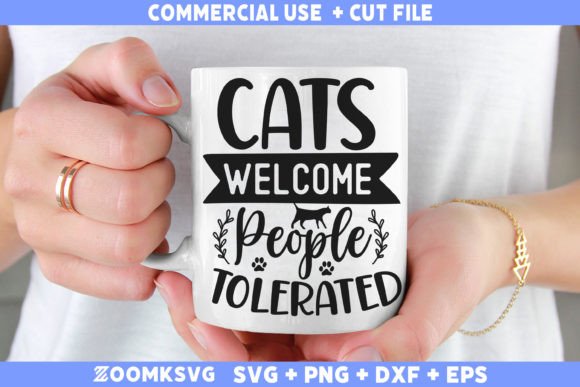
The humor here is immediate and universal to anyone sharing a home with a feline. It establishes a clear boundary—cats are the VIPs, humans are tolerated. This emotional hook is what drives sales in the Crafts and Graphics categories. The layout is typically a horizontal statement piece that fits nicely across the chest of a sweatshirt or the front of a tote bag. When I first opened the file, I looked closely at the font style. Is it a bold, blocky serif that will hold up to a dense satin stitch, or a thin script that might disappear into the fabric? A bold weight means better stitch definition and higher perceived value for the finished product.
Sewing It Out: From Aprons to Sweatshirts
For this review, I prepared a custom embroidered apron intended for a friend’s cat-themed bakery pop-up. I also ran test stitches on a structured tote bag and a cotton sweatshirt to see how the design behaved across different substrates.
Tote Bags and Aprons
The flat surface of an apron or tote bag design is where this file really shines. The fill stitch lettering can anchor itself properly without the distortion you get on curved surfaces. The stitch density felt balanced out of the gate, but I recommend doing a test run on scrap canvas or duck cloth first. This ensures the needle penetration does not create excessive holes or puckering around the corners of the letters. If you are producing a batch of handmade product for a boutique, this is a safe and profitable choice.
Sweatshirts and Custom Apparel
Moving to custom apparel, center chest placement on a sweatshirt works beautifully. However, you will need to pay attention to the stretch of the fabric. A medium-weight stabilizer becomes essential here. Without proper backing, the “P” in “People” and the “W” in “Welcome” can distort. I suggest using a cutaway stabilizer for knit fabrics to maintain the structural integrity of the lettering over time. This is especially important if your customer plans to wear and wash the garment frequently.
Caps, Hats, and Curved Surfaces
I would caution against using the full layout on a standard cap. The curve tends to swallow up the ends of the lettering, particularly the “d” in “tolerated.” If you are running a small shop product line and want to offer this on hats, consider converting the text into an embroidered patch first. Stitching it out as a patch allows you to control the density and then apply it to the curved surface without the fabric puckering. An applique design approach could also work here, using the SVG as a template for fabric layers, but the small letters might be tricky for applique.
Technical Checkpoints for a Clean Stitch-Out
Whenever I receive a new machine embroidery design file, I run it through a mental checklist. The Cats Welcome People Tolerated SVG requires attention to a few specific areas.
- Lettering Angles: Look at the inside corners of letters like “A” and “e.” If these are sharp, a satin stitch might create a bulky pileup of thread. A running stitch outline first can help define these edges.
- Stitch Density: If the density is too high, the fabric will feel stiff and may shrink slightly after washing. If it is too low, you will see the fabric peeking through. Adjust density in your software if possible, or choose a heavier fabric like denim or twill.
- Hoop Size: Confirm your hoop size can accommodate the full width of the phrase. At 5 inches wide, a standard 4x4 hoop might clip the edges. A 5x7 hoop or larger is recommended for the full layout.
- Thread Colors: Contrast is king. Light thread on dark fabric reads instantly. Dark charcoal or bright red on a natural linen apron creates a boutique feel. Always create a black and white printable mockup first to check legibility.
- Fabric Texture: Avoid high-pile fleece or heavy textured fabrics. The lettering will sink into the nap and become unreadable. Smooth cotton, linen, or poly-cotton blends are ideal for preserving the sharpness of the text.
Adding Value to Your Small Business Inventory
As an Etsy seller or creative entrepreneur, you are always looking for designs that sell themselves. This one does. Cat lovers are a passionate niche. They buy the mug, the shirt, and the tote bag. They also buy gifts for other cat lovers. This design fits seamlessly into a holiday or personalized gift lineup. Adding a customer’s cat name beneath the phrase turns a generic item into a cherished keepsake.
Licensing and Digital Product Use
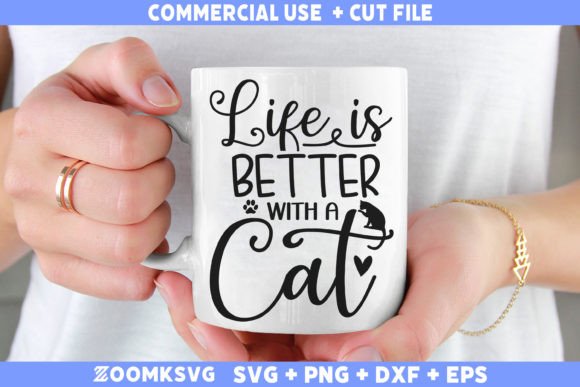
The product description states the file sets can be used for a wide variety of items like coffee mug design, custom tumblers, stickers, and pillows. That is a strong start for commercial embroidery projects. However, I strongly advise you to read the specific licensing terms provided with the download. Does it allow unlimited physical product sales? Do you need to credit the artist? Understanding this protects your craft business and ensures buyer trust. You can also utilize this file as a design asset for printable mockups to preview your physical goods on social media or your shop front.
Realistic Expectations for Wash and Wear
I tested this on a kitchen towel and a baby blanket. The blanket was a soft minky, and the lettering sank in significantly—not ideal unless you pair it with a thick water-soluble topper to keep the stitches on top. The towel, however, handled it well after proper stabilization. For items that see heavy washing, like pillow covers or tea towels, consider reducing the stitch density slightly. High density can cause puckering over time as the thread shrinks at a different rate than the fabric. A stable embroidery project is a product that builds customer trust and reduces returns.
Final Advice Before You Hit “Send to Machine”
The Cats Welcome People Tolerated SVG is a versatile, high-appeal graphic that earns its place in a small business merchandise lineup. It passes the laughter test, and with thoughtful preparation, it will pass the durability test. Here is my non-negotiable checklist before production:
- Test on scrap fabric identical to your final product.
- Review the stitch path. Does the machine jump too much? Are there tiny stitches that could cause thread breaks?
- Check your hoop size. Do not cram the design into a hoop that is too small.
- Confirm licensing for commercial use. This protects you and the original designer.
- Compare thread colors against the fabric background in both natural and artificial light.
Treat this file with the same technical respect you would any premium digital embroidery file, and your customers will be lining up for a piece of the humor. Whether you are producing custom apparel, an embroidered tote, or a set of personalized gifts, this design delivers solid commercial value for any handmade shop.